Reliable Excess Electronic Component Buyers: Save Time and Reduce Risk
Excess inventory usually starts quietly.
A project is cancelled. A customer changes demand. Engineering moves to a new design. Procurement ordered enough components for a production plan that never fully happened. The parts are still new, often still packed properly, but the cash is sitting on a warehouse shelf.
At that point, the question is not only “Who can buy these parts?” The better question is: Who can buy them without creating more work, more exposure, or more risk?
That is why choosing the right excess electronic component buyers matters. A clean transaction is sometimes worth more than a slightly higher first quote.
Why the Right Buyer Matters for Excess Inventory
Selling excess electronic components is not the same as selling ordinary surplus goods.
A stock list may include hundreds or thousands of line items. Some parts may still have active market demand. Some may be aging. Some may look valuable on paper but have very limited demand in the current market. Some may need to move quickly before date codes become harder to accept.
A good buyer helps the seller understand this difference early.
The wrong buyer may create problems that only appear later: slow replies, vague offers, unclear inspection standards, sudden deductions after receiving goods, or cherry-picking only the best lines while ignoring the rest.
For OEMs, EMS companies, and distributors, excess inventory often comes from real business situations:
- cancelled production plans
- over-ordered components
- engineering changes
- customer order changes
- slow-moving safety stock
- end-of-life transitions
- long-held warehouse inventory
The goal is not just to “find a buyer.” The goal is to recover value with fewer delays and fewer surprises.
How the Right Buyers Save Time
Faster Stock List Review
A stock list should not need endless explanation.
For semiconductor and electronic component inventory, a serious buyer should be able to review the basics: manufacturer part number, brand, quantity, date code, packaging condition, and stock location.
These details are enough to make an initial judgment on which lines may have demand, which need further checking, and which are outside the buyer’s scope.
This is where a focused buyer saves time. Instead of asking broad questions or passing the list around without feedback, an experienced excess electronic component buyer can quickly separate realistic opportunities from low-probability items.
For sellers still organizing their stock list, it helps to prepare the basic part information before asking for a quote. We covered that process in more detail in our guide to selling electronic components.
Quotation Feedback Within 24–48 Hours
Time matters because component demand does not stay still.
Memory chips, MCUs, FPGAs, industrial ICs, and communication-related parts can all move with market cycles. A part that attracts interest during a shortage may become harder to sell once supply improves or pricing turns downward.
This is why a long quotation process can hurt the seller. It delays the decision and may reduce the window for recovery.
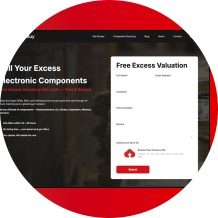
When inventory details are complete, Vadas Buy can review submitted stock lists and return quotation feedback within 24–48 hours. For OEM and EMS teams trying to clean up stock or release tied-up cash, a short review cycle makes the process easier to manage. Sellers who are ready to move forward can submit their inventory through Vadas Buy’s sell excess electronic components page for a confidential stock list review.
Access to Global Demand Without Sending the List Everywhere
Many sellers try to judge market value by sending the same stock list to as many buyers as possible.
It sounds reasonable, but it is not always efficient. Every extra contact means more follow-up, more waiting, and more exposure of sensitive inventory information. If the list contains project-related parts, customer-specific stock, or large quantities of the same component, wide circulation can create unnecessary risk.
A focused buyer reduces this work by using existing demand channels and buyer relationships. The seller does not need to check every line with ten different companies just to understand whether there is real interest.
This does not mean every part will receive a strong offer. It means the seller can avoid spending too much time where the market demand is already weak.
Experience in Handling Real-World Issues
Real inventory is rarely perfect.
A count may be slightly different from the list. Packaging may vary by line. Some parts may be in original reels, while others are in trays or mixed lots. Date codes may need confirmation. A few labels may require extra checking. Shipping documents may need adjustment for cross-border movement.
These things happen.
The difference is how the buyer handles them. An inexperienced buyer may turn every small mismatch into a dispute. A professional buyer explains what matters before shipment and handles normal exceptions with a clear process.
The real cost of a bad buyer often appears after the goods have already left your warehouse.
Coordinated Support From Shipment to Settlement
A quote is only the first step.
After that come packing, shipping, inspection, reconciliation, and payment. If the seller has to coordinate every step separately, the project can take more internal time than expected.
Vadas Buy supports stock list review, buyer matching, logistics coordination, quality inspection, and settlement as part of one connected process. For companies that want to recover value without turning excess inventory into another long project, this structure saves time.

How the Right Buyers Reduce Risk
Private Stock List Handling
A stock list can reveal more than inventory.
It may show which projects slowed down, which production plans changed, which customer demand did not continue, or which parts were over-forecast. For OEM and EMS companies, that information can be sensitive.
Public listing is not always the right first move.
A reliable buyer should allow sellers to submit inventory privately and avoid unnecessary exposure. This matters even more when the stock list includes large quantities, project-related parts, or components linked to recent production changes.
Relevant Buyer Channels
A buyer network only matters if the buyers are relevant.
For excess electronic components, value comes from matching the right parts with real demand. Random exposure does not help much if the market contacts do not understand semiconductor inventory or only want to pick a few high-value lines.
Vadas Buy works with verified buyer channels across global markets to help match excess stock with suitable demand. This makes the process more focused and reduces the risk of dealing with unknown or unqualified parties.
Clear Inspection and Settlement Terms
Many transaction problems start after shipment.
A seller may receive a quote, send the components, and then hear that the buyer wants a deduction because of packaging, date code, quantity difference, or inspection details. Sometimes the issue is valid. Sometimes the problem is that the inspection standard was never clear before the goods moved.
That is where disputes begin.
In practice, disputes often start from details that look small at first: a reel label that does not match the list, a mixed date code, or a quantity difference found during inspection. These issues are easier to handle when both sides agree on the review standards before shipment.
A trustworthy buyer should explain the inspection and settlement process before shipment. Sellers should know what will be checked, what may affect value, and how payment will be arranged.
Clarity before shipment is much better than negotiation after delivery.

No Hidden Listing or Handling Fees
Some selling channels look simple at the beginning but become costly later.
Sellers may face listing fees, handling fees, platform charges, or service costs that reduce the final recovery value. In other cases, the seller spends time preparing listings but still receives little serious buyer interest.
This is also why some sellers prefer direct stock-list review over public listings or fee-based platforms. We explain that route further in selling excess components with no listing fees.
Lower Risk of Price Pressure After Delivery
A low-quality buyer may use the inspection stage to reopen the deal.
For example, the buyer may offer an attractive price before shipment, then reduce the offer after receiving the goods. The reason may be packaging, mixed batches, market price changes, or details that should have been discussed earlier.
At that point, the inventory is already outside the seller’s warehouse. The seller has fewer options and more pressure to accept the revised terms.
The best way to reduce this risk is to work with buyers who are clear about acceptance standards, inspection steps, and settlement terms before shipment.
The highest offer is not always the safest offer.
Check the Buyer’s Accepted Component Scope Before Selling
Before sending a stock list, sellers should confirm what the buyer actually purchases.
This sounds basic, but it is one of the most common ways companies waste time. Some buyers claim to handle a wide range of electronic inventory but later reject most of the list. Others mix valuable semiconductor parts with low-demand materials and use that as a reason to lower the overall offer.
A buyer’s rejection list can be just as important as their buying list.
A focused buyer may look narrower at first, but a clear scope usually creates fewer disputes than a buyer who claims to accept everything.
Vadas Buy focuses on electronic chip-related inventory and semiconductor components with resale demand.
Typical accepted categories include:
- ICs
- FPGAs
- MCUs
- memory chips
- sensors
- other unused semiconductor and electronic components with market demand
Vadas Buy does not usually purchase:
- cables
- finished devices
- refurbished materials
- PCB boards
- LCDs
- capacitors
- connectors
This difference matters. A company selling excess ICs or memory chips should not spend time preparing the same list for a buyer whose real focus is finished devices, scrap, cables, or general electronic waste.
Knowing the buyer’s scope before selling helps reduce wasted communication, inaccurate expectations, and later inspection disputes.

What Components Are Easier to Recover Value From?
Not all excess components are equal.
Some parts still have active demand. Some need to be reviewed quickly before market interest weakens. Some are unused and well stored, but still difficult to sell because the market has already moved on.
Components that often receive stronger buyer interest include:
- active ICs used in current production
- FPGAs with limited supply
- MCUs used in industrial, automotive, or embedded applications
- memory chips affected by AI, data center, or server demand cycles
- sensors used in production and repair channels
- hard-to-source or long-lead-time components
- semiconductor parts linked to industrial, automotive, communication, or computing demand
Market timing matters. A memory chip that is easy to sell during a supply shortage may become much harder to move when pricing turns downward. An MCU tied to an active production shortage may attract interest quickly, but the same part may slow down once supply normalizes.
Inventory that should be reviewed sooner includes:
- project-cancelled stock
- over-ordered ICs
- aging date-code inventory
- components affected by design changes
- slow-moving production stock
- parts from EOL or lifecycle transitions
The earlier these items are reviewed, the better the chance of recovering value before demand changes.
What to Prepare Before Contacting a Buyer
A clean stock list saves time.
Before contacting excess electronic component buyers, prepare as much useful information as possible:
- manufacturer part number
- brand or manufacturer
- quantity
- date code
- packaging condition
- original packaging status
- inventory location
- target selling timeline
- any notes about storage, batch condition, or mixed packaging
The more complete the list, the faster the buyer can review it.
If the inventory includes many lines, do not spend too much time guessing which ones are valuable. Send the full list. A professional buyer can help identify which lines are worth quoting and which lines are unlikely to match current demand.
Warning Signs of the Wrong Buyer
A buyer may not be suitable if they:
- quote without reviewing the list properly
- avoid discussing inspection standards
- refuse to explain accepted component categories
- ask for public listing before serious review
- delay payment without a clear reason
- add unexpected fees after quotation
- only cherry-pick the highest-value lines
- reduce the price after receiving goods without a clear basis
- provide no confidentiality process
- cannot explain logistics, inspection, and settlement steps
If a buyer cannot explain what they do not accept, the seller may pay for that ambiguity later.
For OEM and EMS companies, a slightly clearer and more reliable process may be worth more than a quote that looks good at the beginning but creates problems later.
A Simpler Way to Sell Excess Electronic Components
Selling excess electronic components should not require endless price checking, repeated explanations, public exposure, or uncertain settlement.
The right buyer helps sellers move faster and avoid unnecessary risk.
Vadas Buy helps OEMs, EMS companies, and electronic component distributors recover value from excess, obsolete, and slow-moving semiconductor inventory. With established experience in electronic component inventory recovery, relevant global buyer channels, private stock-list handling, fast review feedback, and coordinated support from logistics through settlement, Vadas Buy provides a practical way to handle excess chip-related inventory.
If your company has excess ICs, FPGAs, MCUs, memory chips, sensors, or other chip-related inventory, you can submit your stock list for a confidential review and receive quotation feedback without listing the inventory publicly.